What Is a Duvet vs Comforter? Choose the Right Bedding for Better Sleep

Compare duvets and comforters, discover how to choose a down comforter, and explore memory foam mattress toppers to create a more comfortable sleep environment.
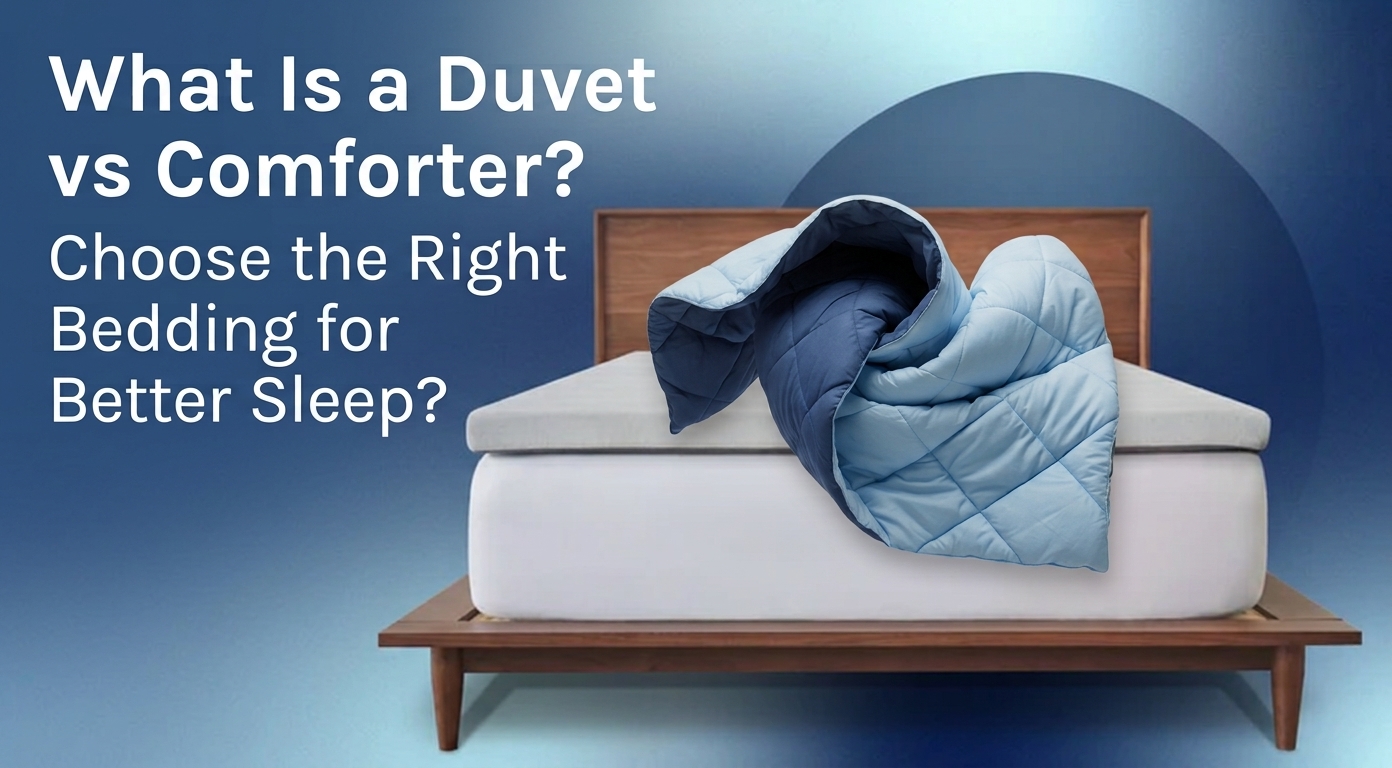
Waking up too hot, feeling uncomfortable under heavy bedding, or struggling to create a cozy bedroom can affect sleep. The right bedding makes a significant difference, but choosing between different options can feel confusing. Understanding what is a duvet vs comforter helps you select bedding that matches your comfort needs, lifestyle, and bedroom style.
Additionally, memory foam mattress toppers can improve your sleeping surface when your mattress feels too firm. Combining suitable bedding with the right mattress accessories can create a more comfortable sleep environment. Whether you prefer lightweight layers or a fluffy down comforter, a few simple considerations can help you choose wisely.
What Is a Duvet vs Comforter? Understanding the Differences
When comparing a duvet vs comforter, focus on construction, appearance, and maintenance. Both provide warmth, but they offer different approaches to everyday bedding. A duvet typically contains insulating filling inside a soft fabric shell. People often place it inside a removable duvet cover, which protects the insert and allows easy style changes. A comforter, however, usually comes as a single finished piece with decorative stitching and built-in filling. Both options provide warmth and comfort. However, your ideal choice depends on how you prefer to maintain your bedding and manage bedroom temperatures.
1. Duvets Offer Flexible Styling
Duvets work well for people who enjoy changing their bedroom's appearance. You can replace the cover without purchasing another insert, making seasonal updates easier.
For example, lightweight cotton covers suit warmer months, while thicker fabrics create a cozy winter atmosphere. This flexibility also simplifies routine cleaning because you can remove and wash the cover according to its care instructions.
2. Comforters Provide Simple Everyday Convenience
Comforters appeal to sleepers who prefer straightforward bedding. Their finished design usually eliminates the need for a separate cover, although you can add one if desired. However, washing a bulky comforter can require a larger washing machine or professional cleaning. Always check the manufacturer's instructions before washing to protect the filling and fabric.
Common Bedding Problems That Affect Sleep Quality
Choosing attractive bedding does not always guarantee comfortable sleep. Several everyday problems can make your bedroom feel less relaxing.
- Overheating during the night: Thick bedding may trap too much warmth, particularly for people who naturally sleep hot. Breathable fabrics and suitable insulation can help manage temperature.
- An uncomfortable mattress: Even quality sheets and blankets cannot completely compensate for a mattress that feels too firm or uneven. Additional cushioning may improve the surface, depending on your needs.
- Difficult cleaning routines: Bulky bedding can take considerable time to wash and dry. Removable covers can simplify maintenance, especially when you prefer changing bedding frequently.
- Inconsistent warmth: Some bedding feels comfortable during colder evenings but becomes too warm overnight. Choosing appropriate filling and fabric can help create a more balanced sleep environment.
Understanding these issues makes it easier to identify the right combination of bedding and mattress accessories.
How to Choose the Right Down Comforter
A down comforter offers warmth and a fluffy appearance through insulation made from soft clusters beneath duck or goose feathers. Its lightweight feel appeals to people who want warmth without excessive bulk. However, not every down comforter provides the same experience. Consider these important factors before purchasing one.
Check the Fill Power
Fill power measures the loft and insulating capacity of down. Higher fill power generally means the down provides more insulation relative to its weight. This measurement helps you compare products, but it should not be your only consideration. Construction, filling quantity, fabric, and personal temperature preferences also affect comfort.
Consider Your Sleeping Temperature
Hot sleepers may prefer lightweight bedding with breathable materials. Meanwhile, people who frequently feel cold might benefit from a warmer option. Consider your bedroom temperature and the season when choosing insulation. A lighter comforter may suit year-round use in warmer rooms, while heavier options work better during colder weather.
Review Fabric and Care Requirements
The outer shell affects how a comforter feels against your bedding. Cotton often appeals to people who prefer a familiar, breathable fabric. Also, review cleaning instructions before purchasing. Some down products require special care to maintain their loft and performance. People with feather or down allergies should consider alternative fillings and review product materials carefully.
Can Memory Foam Mattress Toppers Improve Comfort?
Bedding is only one part of a comfortable sleep setup. If your mattress feels too hard, memory foam mattress toppers may provide additional cushioning without requiring a complete mattress replacement. Memory foam responds to body heat and pressure, allowing it to contour around your body's shape. Depending on its construction and thickness, it may help soften your existing mattress.
Nevertheless, mattress toppers cannot fix every mattress problem. They may improve surface comfort, but they cannot reliably repair sagging, structural damage, or inadequate mattress support.
Choose the Right Topper Thickness
A thinner topper may provide subtle cushioning, while a thicker design creates a more noticeable change. Your preferred sleeping position and existing mattress firmness should guide your decision.
Side sleepers often appreciate extra cushioning around their shoulders and hips. Back sleepers may prefer a balance between cushioning and support, while stomach sleepers generally need to avoid excessive softness.
Consider Temperature Regulation
Traditional memory foam can retain heat, which may feel uncomfortable for some sleepers. Therefore, review ventilation features, foam construction, and available cooling materials when comparing products. A breathable mattress protector and suitable sheets may also help manage your overall sleeping temperature.
Combining Better Bedding With a Premium Sleep Setup
Once you understand what is a duvet vs comforter, you can build a sleep setup around your actual needs. Start with a supportive mattress, then consider whether additional cushioning would improve its feel.
Next, choose bedding that matches your preferred warmth and maintenance routine. A duvet with a washable cover offers flexibility, while a comforter suits people who prefer a simpler arrangement.
For shoppers exploring comfortable bedding and mattress accessories, Viscosoft US is one brand worth considering during the research process. Compare available products, construction details, and care requirements before deciding which options suit your bedroom.
You do not need to replace everything at once. Instead, identify the biggest source of discomfort and upgrade that part of your sleep setup first.
Benefits of Investing in Quality Bedding
Thoughtful bedding choices can make everyday routines more comfortable and convenient.
- Better temperature management: Appropriate insulation helps match bedding to your bedroom conditions.
- Simpler maintenance: Removable covers can reduce the effort involved in keeping bedding fresh.
- More comfortable cushioning: Suitable mattress toppers can soften an overly firm sleeping surface.
- Long-term value: Reviewing materials, construction, and care requirements helps you make informed purchasing decisions.
- Personalized comfort: Combining suitable bedding with mattress accessories allows you to tailor your sleeping environment.
Premium products do not automatically guarantee better sleep. However, carefully selected materials and practical features can make a noticeable difference to everyday comfort.
Conclusion
Understanding what is a duvet vs comforter helps you choose bedding that fits your sleeping habits, budget, and maintenance preferences. A duvet offers flexible styling, while a comforter provides a convenient, finished design. Meanwhile, a down comforter delivers lightweight warmth, and memory foam mattress toppers may improve cushioning on an overly firm bed.
Before purchasing new bedding, consider your temperature preferences, mattress condition, and cleaning requirements. Explore options from brands such as Viscosoft US, compare product specifications, and prioritize features that address your actual needs. With thoughtful choices, you can create a comfortable bedroom that supports more restful nights without unnecessary spending.