How to Support Hormone Balance Naturally: Practical Tips for Women’s Wellness

Discover practical ways to support hormonal wellness through balanced nutrition, quality sleep, regular exercise, stress management, and informed supplement choices. Explore women’s health supplements from Happy Mammoth EU to support your wellness routine.
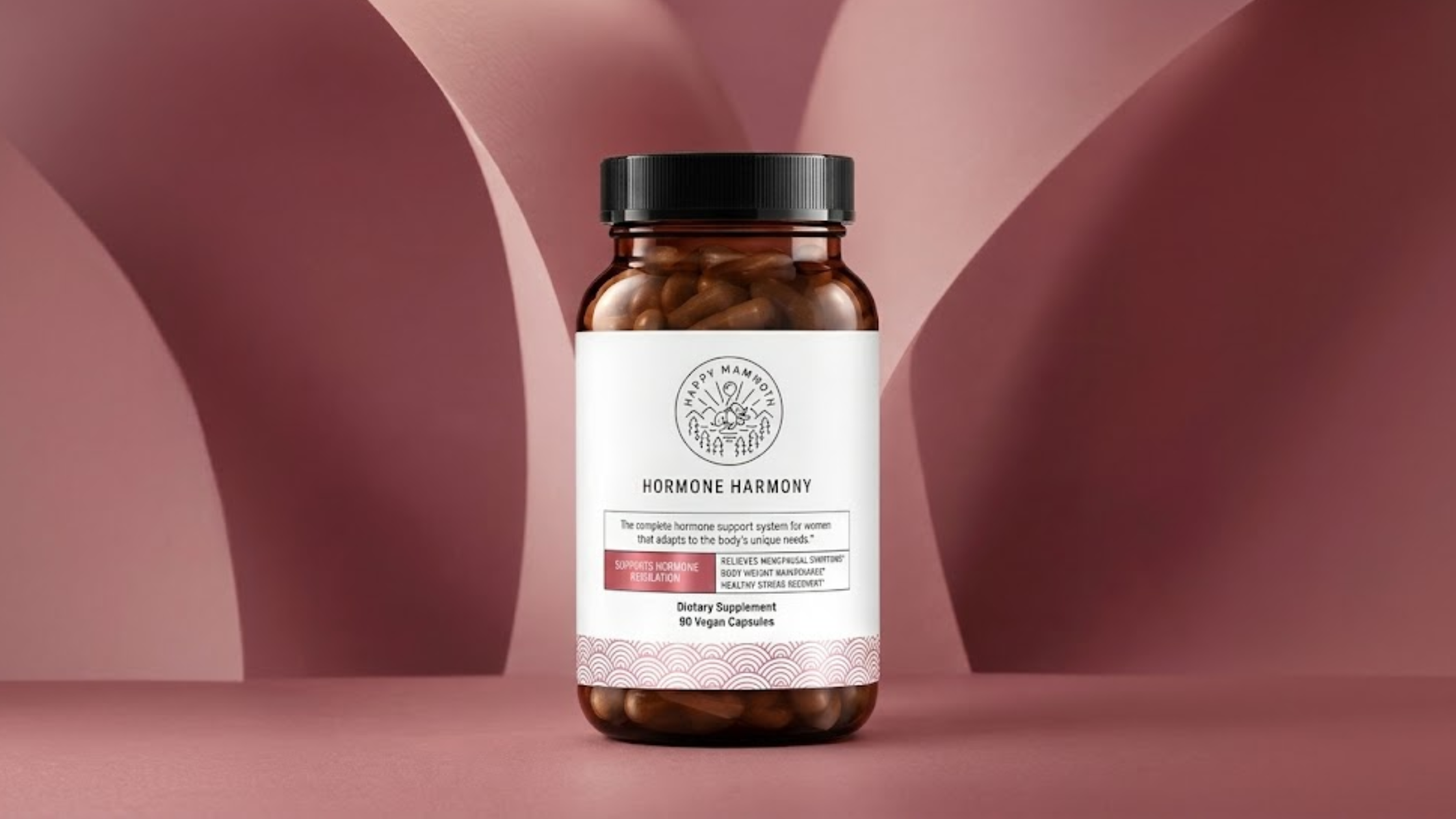
Hormonal changes can affect your energy, mood, sleep, and overall well-being. Many women experience frustrating symptoms that disrupt their daily routines. For example, you might feel tired despite sleeping well or experience unexpected mood changes. Additionally, weight fluctuations and persistent cravings can make healthy habits harder to maintain. These challenges can feel overwhelming, especially when you cannot identify their causes. However, small lifestyle changes can help you support your overall health. Therefore, understanding your body's needs provides the first step toward feeling better. Additionally, the right wellness routine can help you maintain healthy choices. Exploring Women's Health Supplements can also help you understand available nutritional support options. Brands like Happy Mammoth EU offer wellness products designed to support women's health goals. Now, let's examine practical strategies for supporting hormonal health and improving everyday wellness.
Understanding Common Signs of Hormonal Changes
Hormones act as chemical messengers throughout your body. They regulate essential functions, including metabolism, reproduction, mood, and sleep. Even small hormonal fluctuations can affect how you feel. However, symptoms vary between individuals and depend on several factors.
1. Persistent Fatigue and Low Energy
Do you often feel exhausted, even after a full night's sleep? Hormonal changes can affect energy levels, but other factors may contribute. For example, stress, inadequate nutrition, poor sleep, and certain medical conditions can cause fatigue. Therefore, address persistent fatigue instead of relying on guesswork.
2. Mood Changes and Increased Stress
Some women experience irritability, anxiety, or emotional sensitivity during hormonal transitions. For instance, menstrual cycles, perimenopause, and menopause can influence these experiences. Meanwhile, ongoing stress can disrupt sleep quality and affect daily emotional well-being. Therefore, identify your triggers and develop healthier coping strategies.
3. Sleep Difficulties and Changing Energy Levels
Hormonal fluctuations can trigger night sweats and disrupt sleep. Consequently, poor sleep can affect concentration, mood, and energy levels the following day. As a result, daily responsibilities may feel more demanding. Therefore, establish a consistent sleep routine to address some contributing factors.
4. Changes in Weight and Appetite
Hormonal shifts may affect appetite, body composition, and how your body uses energy. However, weight changes rarely have a single cause. Diet, physical activity, sleep, stress, medications, and medical conditions can all influence weight. Therefore, choose a balanced approach instead of restrictive diets or quick-fix promises.
What Can Affect Hormonal Health?
Understanding potential causes helps you choose more suitable wellness strategies. Additionally, hormonal health depends on several interconnected biological and lifestyle factors.
Stress and Everyday Responsibilities
Chronic stress can disrupt sleep, influence appetite, and affect overall well-being. Additionally, busy schedules may leave little time for exercise or balanced meals. Over time, these habits can make existing symptoms harder to manage. Therefore, develop manageable stress-relief habits to support your broader health goals.
Nutritional Gaps and Eating Habits
Your body needs adequate nutrients to support normal physiological functions. However, insufficient calorie intake or nutritional deficiencies may affect energy and general health. For example, iron deficiency can contribute to fatigue. Similarly, low vitamin D levels may affect health, depending on individual circumstances. However, symptoms alone cannot confirm a nutritional deficiency. Therefore, consult a healthcare professional who can recommend appropriate testing when necessary.
Age and Natural Hormonal Transitions
Hormone levels naturally fluctuate throughout different stages of life. For example, puberty, pregnancy, the postpartum period, perimenopause, and menopause can cause significant hormonal changes. Additionally, certain medical conditions can affect hormonal function. Therefore, consult a healthcare professional if symptoms persist or disrupt daily life.
Practical Ways to Support Hormonal Wellness
You do not need to change your entire lifestyle overnight. Instead, build sustainable habits that support your physical and emotional well-being.
1. Prioritize Balanced, Nutrient-Rich Meals
Build meals around vegetables, fruits, whole grains, protein sources, and healthy fats. For example, include eggs, beans, fish, nuts, and seeds. These foods provide nutrients that support normal bodily functions. Additionally, eating regular meals can help maintain energy and manage hunger. However, avoid eliminating entire food groups without a clear medical reason. If you suspect nutritional deficiencies, seek personalized dietary guidance.
2. Establish a Consistent Sleep Schedule
Aim for seven to nine hours of sleep each night. Additionally, maintain regular bedtimes and wake-up times whenever possible. Furthermore, reduce evening caffeine and limit stimulating activities before bedtime. Keep your bedroom comfortable, dark, and quiet. If night sweats or insomnia persist, consult your healthcare professional.
3. Move Your Body Regularly
Regular physical activity supports cardiovascular health, improves mood, promotes sleep, and supports metabolic function. Therefore, choose activities that match your abilities and personal preferences. For example, try walking, swimming, cycling, or strength training. Start with manageable sessions, then gradually increase your activity level. Ultimately, consistency matters more than following an unnecessarily demanding exercise routine.
4. Manage Stress With Realistic Strategies
You can manage stress without expensive equipment or complicated routines. For example, practice deep breathing, gentle stretching, journaling, or short outdoor walks. Additionally, protect time for enjoyable activities and meaningful relationships. If stress becomes difficult to manage, consider seeking professional support. Overall, small, repeatable habits often feel more sustainable than dramatic lifestyle changes.
5. Track Symptoms and Identify Patterns
First, record your sleep, mood, energy, menstrual cycle, and symptoms daily. Over several weeks, review your records to identify patterns worth discussing with your doctor. Additionally, use these records to distinguish recurring symptoms from occasional changes. Consequently, you can make your healthcare appointments more productive.
How Women's Health Supplements May Fit Into Your Routine
Even with balanced meals, some people need additional nutritional support. However, supplements work best when they address specific needs rather than replace healthy habits. Women's Health Supplements provide vitamins, minerals, and other ingredients. However, their formulations vary, so always check the ingredient list. For example, some products contain vitamin D, magnesium, or other nutrients. However, potential benefits depend on ingredients, dosage, and your individual nutritional status. Meanwhile, Hormone Balance Supplements often combine vitamins, minerals, herbs, or other compounds. Despite their marketing claims, these products do not automatically balance hormones or treat underlying medical conditions. Furthermore, research supporting individual ingredients varies considerably. Some supplements may also interact with medications or cause unwanted effects. Happy Mammoth EU offers wellness products for people exploring different approaches to supporting their health. However, always review product ingredients and avoid relying on supplements alone for hormonal health. Therefore, consult a qualified healthcare professional before starting any new supplement. This precaution becomes especially important during pregnancy, breastfeeding, or when managing existing medical conditions.
Exploring Happy Mammoth EU for Women's Wellness
If you are comparing wellness products, consider researching Happy Mammoth EU. Its product range focuses on wellness solutions marketed toward women's health and related concerns. Before choosing a product, examine its complete ingredient list and recommended dosage. Additionally, check whether the formula meets your specific nutritional needs. Next, review the available scientific evidence for each ingredient. Furthermore, prioritize transparent labeling instead of relying solely on testimonials or bold marketing claims. Finally, remember that supplements should complement balanced nutrition, regular movement, quality sleep, and appropriate medical care. However, no single product can guarantee hormonal balance or eliminate every symptom.
Benefits of Choosing Supplements Carefully
A thoughtful supplement choice can help address a confirmed nutritional gap. Additionally, it may make your recommended nutrition plan easier to follow. However, your individual needs and the product’s formulation determine its value.
Here are several factors to consider before purchasing:
- Ingredient transparency: Choose products that clearly disclose their ingredients and quantities.
- Evidence-based formulations: Research individual ingredients instead of relying on broad hormonal claims.
- Safety considerations: Check potential interactions, contraindications, and recommended dosages.
- Personal suitability: Consider your symptoms, diet, medical history, and professional advice.
- Realistic expectations: Remember that supplements cannot replace diagnosis or appropriate treatment.
When comparing Happy Mammoth Products, prioritize suitability, safety, and evidence over promises of rapid transformation. Consequently, this approach helps you make informed decisions and avoid unnecessary spending.
Conclusion: Build a Sustainable Approach to Hormonal Wellness
Supporting hormonal health starts with understanding your symptoms and daily habits. Therefore, build a strong foundation through balanced meals, regular exercise, quality sleep, and stress management. Additionally, professional guidance can help identify underlying conditions or nutritional deficiencies. Supplements may provide targeted support when they suit your individual circumstances. If you are exploring Happy Mammoth EU, compare ingredients and review available evidence. Also, assess each product’s suitability for your needs. Before making changes, discuss your options with a qualified healthcare professional. Ultimately, the best wellness routine supports your needs safely and sustainably. Start with manageable improvements and monitor your progress regularly. Finally, make informed choices that support your long-term well-being.