How to Choose the Right Parrot Food and Parrot Cages for a Happy, Healthy Bird

Caring for a parrot involves more than providing seeds and a cage.
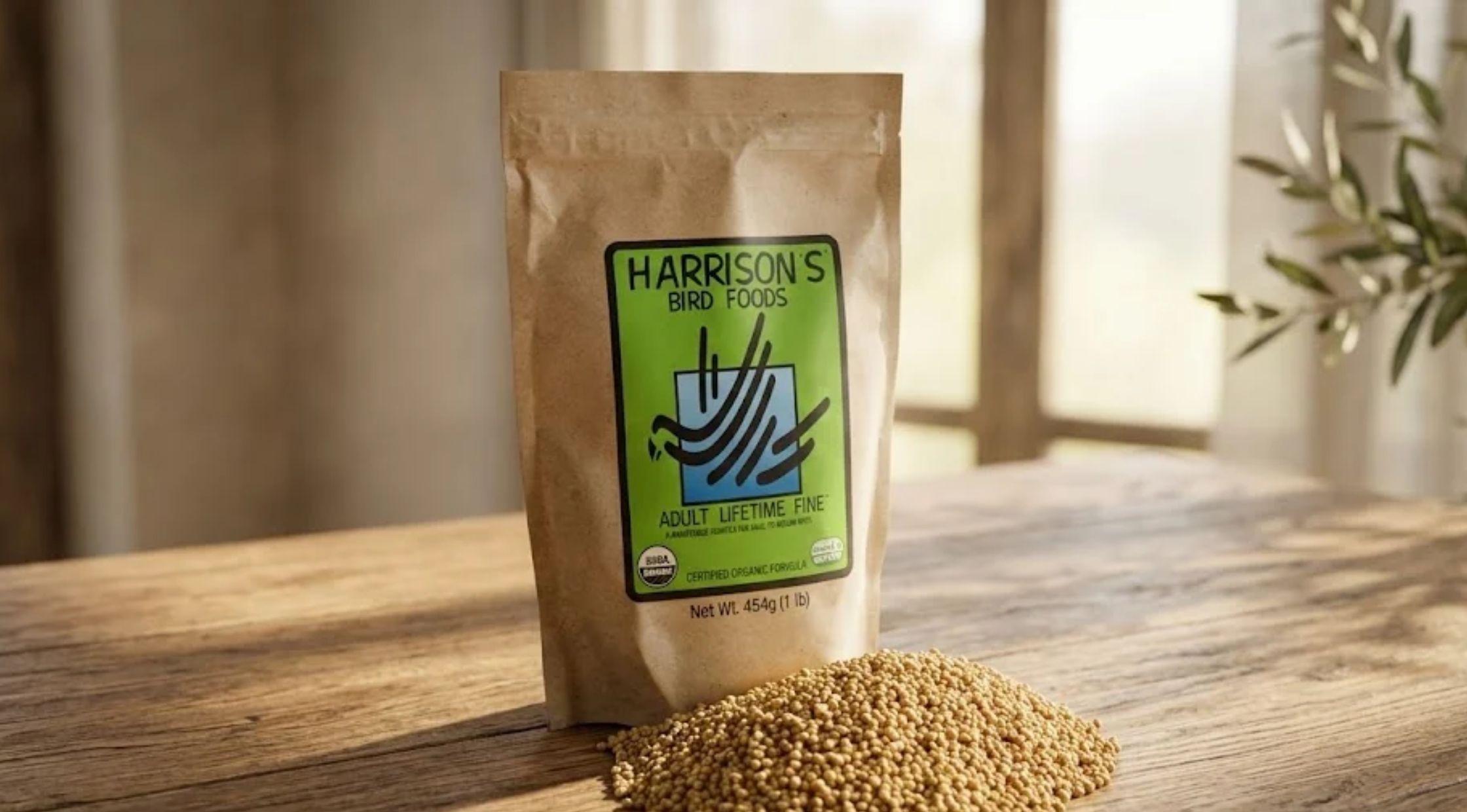
Is your parrot becoming fussy at mealtimes, scattering food everywhere, or seeming uncomfortable in its living space? Caring for a parrot involves more than providing seeds and a cage. These intelligent, active birds need balanced nutrition, room to move, and an environment that supports their physical and mental well-being.
Choosing suitable Parrot Food and Parrot Cages can feel overwhelming, especially when different species have different dietary needs, activity levels, and space requirements. The good news is that a few informed choices can make everyday care easier while helping your feathered companion thrive.
Common Problems Parrot Owners Face
Even well-meaning owners can encounter challenges when setting up a parrot's diet and living environment.
A bird that refuses certain foods
Some parrots pick out their favourite seeds and leave everything else untouched. Others may be reluctant to try unfamiliar foods, making it difficult for owners to provide a varied diet.
An all-seed diet can be nutritionally unbalanced for many companion parrots. Depending on the species, it may provide excessive fat while failing to supply adequate amounts of certain essential nutrients.
Messy feeding areas
Parrots naturally crack, drop, and explore their food. However, unsuitable bowls, poorly positioned feeders, and excessive portions can make cleaning more difficult and contribute to food waste.
A cage that feels too restrictive
A cage might look attractive but still offer limited room for climbing, stretching, playing, and moving between perches. Poor bar spacing, unsuitable perches, or a lack of enrichment can also affect a bird's comfort and safety.
Boredom and inactivity
Parrots are intelligent animals that need stimulation. A cage with little variety, few toys, or limited opportunities for natural behaviours can contribute to frustration and unwanted behaviours such as persistent screaming or feather-damaging habits.
These issues often have practical solutions, but they begin with understanding what your individual bird needs.
Why Nutrition and Housing Matter
A parrot's diet and living environment work together to support its overall well-being. Good nutrition supplies the nutrients needed for normal body functions, while suitable housing provides a safe place to rest, move, feed, and play.
However, there is no single ideal setup for every parrot. A budgie, cockatiel, African grey, and macaw differ considerably in size, behaviour, and nutritional requirements.
Age, health, activity level, and previous feeding habits can also influence what is appropriate. This is why choosing products based only on price or appearance may lead to disappointing results.
How to Choose Better Parrot Food
The right feeding routine can make a meaningful difference to your bird's daily care.
Understand your parrot's dietary needs
Start by identifying the nutritional requirements of your parrot's species. Many companion parrots benefit from a balanced, species-appropriate formulated diet alongside suitable fresh vegetables and other foods recommended for that species.
Seeds may have a place in some feeding plans, but an all-seed diet is generally unsuitable for many commonly kept parrots. Avoid making sudden dietary changes, particularly if your bird has eaten the same food for years.
If your parrot is highly selective, loses weight, or refuses most unfamiliar foods, consult an avian veterinarian for guidance.
Read product labels carefully
When comparing Parrot Food, look at the intended species, ingredients, nutritional information, feeding directions, and freshness. A product marketed as natural or premium is not automatically nutritionally complete.
Choose food that suits your bird's age and needs, and store it according to the manufacturer's instructions to help maintain freshness.
Introduce new foods gradually
Parrots can be cautious about unfamiliar textures and colours. Offer appropriate new foods in small quantities and maintain a consistent routine.
Monitor what your bird actually eats rather than assuming that everything placed in the bowl has been consumed. Remove spoiled fresh food promptly and provide clean drinking water every day.
How to Choose Safe, Suitable Parrot Cages
Nutrition is only one part of good care. Your parrot also needs a living space that supports natural movement and behaviour.
Prioritise usable space
Choose a cage that allows your bird to stretch its wings fully, climb, move between perches, and play without constantly hitting the sides or ceiling. Larger is generally preferable when the design is safe and practical.
Horizontal space is especially useful for birds that move by climbing or hopping, while larger parrots may need substantial room for their size and activity level.
Check bar spacing and construction
Bar spacing must be appropriate for your particular species and size. Bars that are too widely spaced can create an escape or entrapment risk.
Look for sturdy construction, safe finishes, secure doors, and materials intended for bird housing. Avoid damaged coatings, sharp edges, and components that could be chewed or swallowed.
Make the interior enriching
Arrange perches of suitable diameters and textures, feeding stations, and bird-safe toys to encourage movement and exploration. Natural branches can provide useful variety when they are confirmed safe and properly prepared.
Keep enough open space for movement, and rotate toys periodically to maintain interest. Perches and food bowls should be positioned to reduce contamination from droppings.
Make cleaning straightforward
Removable trays, accessible doors, and easy-to-clean surfaces can simplify daily maintenance. Regular cleaning helps keep the environment hygienic, while a suitable cage location should provide ventilation, comfortable temperatures, and protection from kitchen fumes and other hazards.
Why Invest in Quality Parrot Food and Parrot Cages?
Once you understand your bird's needs, investing in appropriate products can make care more manageable.
Quality Parrot Food can help simplify feeding when you choose a nutritionally suitable formula and follow appropriate feeding guidance. A well-designed cage can provide more usable room, safer access, and practical features that make cleaning and enrichment easier.
For owners comparing specialist products, Parrot Essentials offers options to explore for parrot feeding and housing. Reviewing the available choices alongside your bird's species, size, and daily routine can help you narrow down what is genuinely useful.
The benefits of choosing carefully extend beyond appearance. Suitable equipment can reduce everyday frustrations, support a more consistent care routine, and create an environment where your bird has better opportunities to express natural behaviours.
It is worth comparing the total value of a product rather than choosing the cheapest option automatically. Durable construction, appropriate sizing, ease of maintenance, and suitability for your parrot all matter.
Parrot Essentials can be one starting point for researching bird-care products, but individual requirements should always guide the final decision.
Build a Healthier Routine for Your Parrot
The best care routine does not have to be complicated. Focus on balanced nutrition, clean water, a safe and spacious cage, daily interaction, and opportunities for mental stimulation.
Observe your parrot regularly. Changes in appetite, droppings, weight, activity, or behaviour can indicate a health problem and should be discussed with an avian veterinarian.
When selecting Parrot Food and Parrot Cages, put your bird's needs first and compare products carefully. With thoughtful choices and consistent care, you can create a more comfortable environment that supports your parrot's well-being for years to come.
Explore suitable options, check the details, and make gradual improvements where needed. A few well-planned decisions today can help make caring for your feathered companion easier and more rewarding.