How to Choose the Right Parrot and Provide Lifelong Care

Discover how to choose the right parrot, provide proper nutrition and enrichment, understand lifespan, and prepare for lifelong bird care.
Breathtaking to be honest, a parrot is a commitment you must make in the long run, one that will demand research, patience, and preparation. Knowing information on various species, care requirements and average life expectancy can make for an informed choice. If you're looking for a more colorful macaw, or perhaps a smaller bird, Parrot Essentials can guide you to the supplies that can help keep your bird comfortable, enriching, and healthy throughout the day.
Knowing About the Different Types of Parrots
There are significant differences in size, temperament, noise level, activity level, and social needs among parrots. When choosing one to bring home, think about the space you have, your daily routine, budget, and your bird experience. Some species are more suitable to one house than another.
Exploring Macaw Species
There are a number of impressive parroets in the species group macaw, their strong beak, high intelligence and long tail. There are a number of birds that vary in appearance and care, such as the blue-and-gold macaw, scarlet macaw and hyacinth macaw.
Macaws have large cages, need a lot of supervised exercise, toys that are interesting and challenging to them and a lot of attention daily. They make loud noises, which can be a problem in apartment buildings or in homes where noise is a concern. These birds are strong and smart, and require positive training and handling.
In searching for macaw species, don't necessarily consider color and appearance. You need to take into account size, food, what their life span is likely to be, cost of veterinary care and the ability to provide various forms of enrichment over several decades. Only acquire a bird from a responsible and reputable source and confirm the bird's history.
Companion Options for Smaller Parrots
Not ALL bird owners require a large parrot. When their needs are known, smaller birds like cockatiels, budgerigars, etc., may make suitable companions. Small birds require daily attention, safer housing, balanced nutrition and exercise, though.
Cockatiels are popular pets because they form close bonds with their keepers, and they can communicate by being 'jub-juiced' to whistles, by making ‘calls' and with body language. Though their size is more manageable, they are not going to survive perfectly if left on their own or un-stimulated.
Practical Cockatiel Care Guide
Nutrition, housing, hygiene, exercise, social interaction, and preventative veterinary care are essential components of a good cockatiel health care guide. Routine gives insights into behavior, promoting a healthy environment.
Get a Balanced Diet
The feeding should be suitable both for the species and for a particular cockatiel. A good quality formulated pellet diet is generally used as a base, and then other fresh vegetables and other foods recommended for the animal by the veterinarian are added. When a suitable time to do so, seeds can be fed in small portions, but in high quantities, they might not provide certain nutrients.
Make diet changes slowly and watch your bird's eating. Don't assume or assume that just because a food is eaten by people, it is safe to eat. Some foods are hazardous for birds, such as avocado, chocolate, caffeine, alcohol and others. Provide fresh drinking water all day long.
Foster a Safe and Enriching Environment
If you are buying a cage, ensure you provide adequate space for your cockatiels to stretch and move around in comfort, and use the right size bars to fit the size of your cockatiel. Provide safe branches to perch on and various diameter branches for the birds, bird-safe toys and supervised opportunities to leave the cage safely into a safe room.
Don't situate the enclosure next to kitchen fumes/smoke, strong scents, or extreme temperatures. Overheated nonstick products might emit fumes that can be poisonous to birds. Regularly clean, replace or repair food and water containers, and inspect the environment for hazards; repair damaged toys.
Another helpful resource for cockatiel care outlines sleep and social interaction. Give your bird an even time to sleep and be quiet, and spend time with him each day. Look for loss or gain in appetite, droppings, persistent feather damage, or respiratory issues. Birds may very well conceal signs of illness and should be seen by an avian veterinarian immediately when the signs are concerned.
Understanding Parrot Lifespan and Long-Term Commitment
Taking on a bird that is too small for a luxurious home.
Parrot longevity is one of the most crucial factors determining the companion bird you pick. The life span varies greatly between species and specific health and longevity will depend on genetics, diet, care given to them and their environment, etc.
- Budgerigars: Smaller parrots with a lifespan of 5-15 years, depending upon outcome.
- Cockatiels: With proper care, cockatiels can live for around 15-25 years.
- Large Parrots (e.g., Macaws): Can live for decades and grow to be 50 years or older.
These are target figures and are not guarantees. Find out more about the species you are interested in, and consult with an avian vet or a good breeder regarding what to expect.
Consideration of parrot lifespan enables a future groom. Think about work, home, family and finances. Make a contingency plan for species with longer life spans, providing for a trusted alternative care taker if you are no longer able to care for an animal in an appropriate manner.
Selecting Supplies to Promote Everyday Well-Being
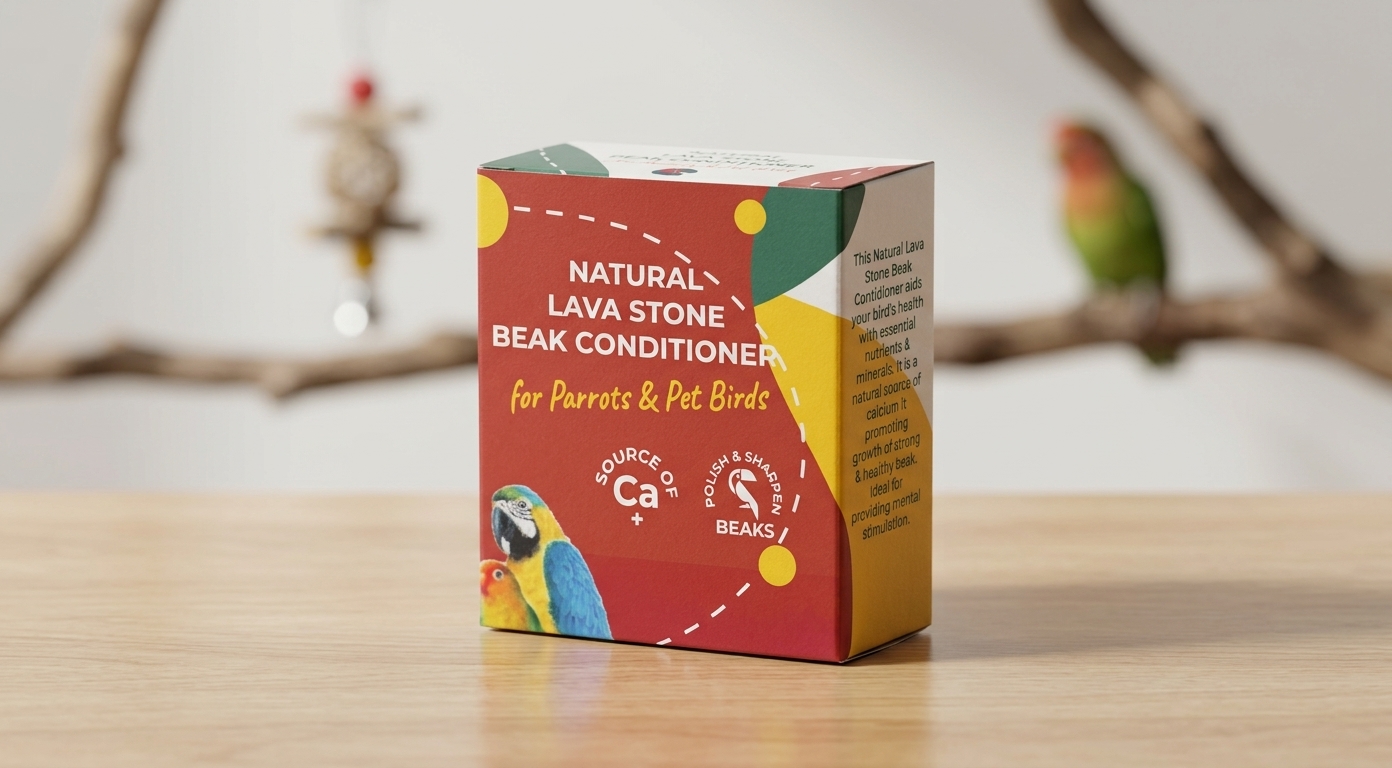
It's easier to be a responsible bird keeper when you have the right supplies. Some products to check out that you can buy are perches, feeding accessories, enrichment toys and whatnot. Make sure to check each product and see if it is appropriate for your bird's species, size, and temperament before buying it.
Consider safety and functionality over aesthetics. Choose sturdy toys with no sharp objects or dangerous chemicals, feeding equipment that is the correct size, and-use safe-to-half cleaners on feeding equipment used around birds when specified. Change over unsuitable or broken accessories when and while they are not safe.
Replacement items for enrichment, routine veterinary visits, emergency treatment and quality food should also be considered. The ONLY cost of having a bird is initial purchase.
Conclusion
The first step to having a successful relationship with a parrot is that it is rooted in expectations that need to be reasonable and take care of them. Find the appropriate species, develop good habits and be ready for responsibilities of an old dog. Knowing what species of macaws exist, an accurate cockatiel care sheet, and knowing parrot life expectancy, can help make a sensible choice. By planning and using some of Parrot Essentials's resources, you can make even your bird's life more safe and interesting.