How to Choose Professional CCTV Cameras for Better Security and Peace of Mind

Whether you manage a retail shop, oversee a warehouse, or want to protect valuable equipment, security concerns can quickly become stressful.
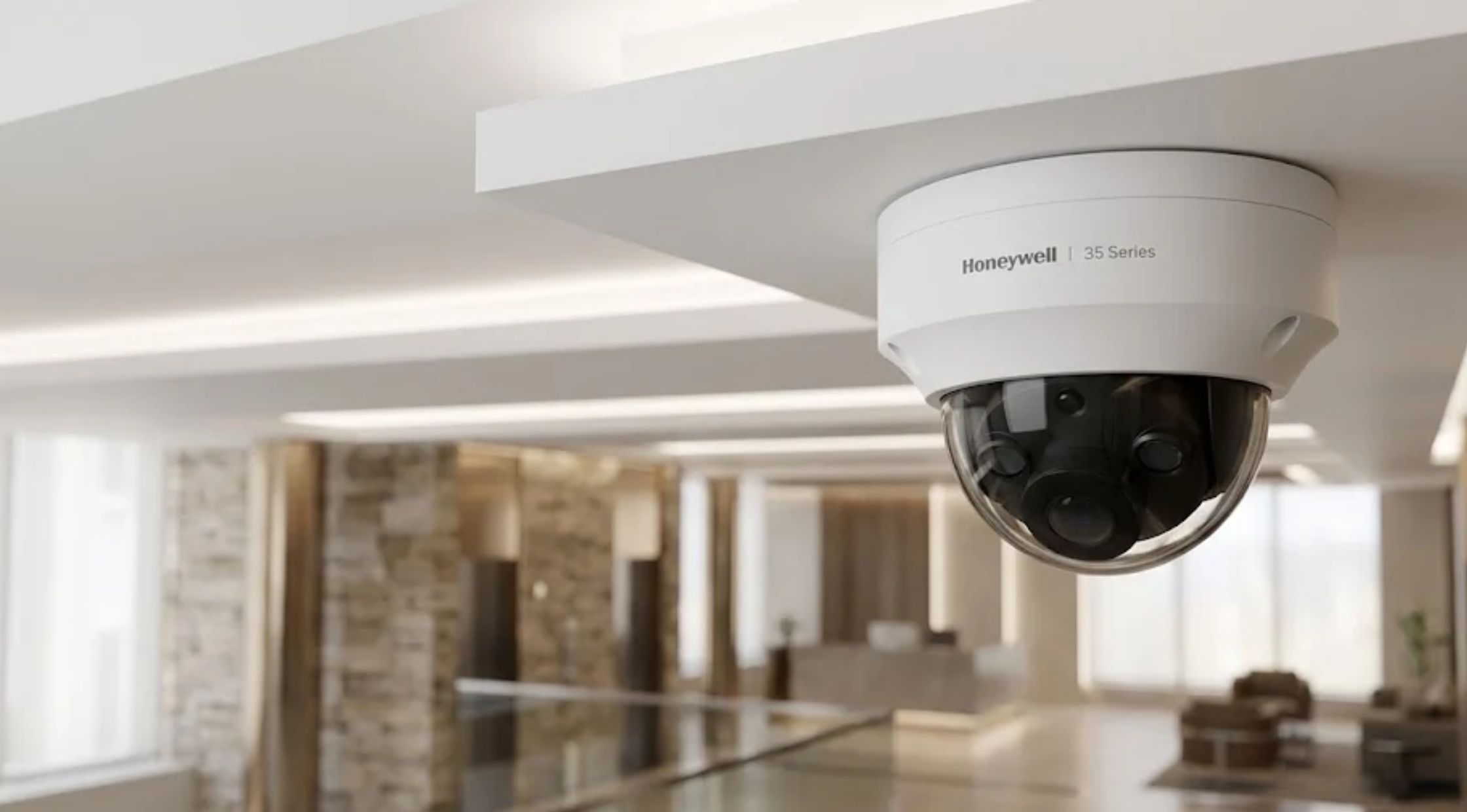
Have you ever wondered what happens around your business, office, or property when nobody is watching? Whether you manage a retail shop, oversee a warehouse, or want to protect valuable equipment, security concerns can quickly become stressful. A basic camera setup may seem sufficient at first, but blurry footage, blind spots, and unreliable recordings can leave you without the evidence you need when something goes wrong.
Choosing the right Professional CCTV Cameras can help address these problems by improving visibility, supporting incident investigations, and making security easier to manage. However, with so many Security Cameras available, knowing which features matter most can be challenging. The key is to focus on your property's actual risks rather than simply buying the most expensive equipment.
Common Security Camera Problems Businesses Face
Before upgrading your surveillance system, consider the limitations that often affect everyday security.
Blurry footage and missed details
A camera might capture movement without recording enough detail to identify a person, read a vehicle registration plate, or understand exactly what happened. Poor resolution, unsuitable positioning, and inadequate lighting can all contribute to this problem.
Blind spots around important areas
Entrances, loading bays, corridors, car parks, and storage rooms may require different camera positions. A single camera cannot necessarily cover an entire property, particularly when walls, shelving, or outdoor structures obstruct its view.
Poor visibility at night
Security risks do not disappear after business hours. Cameras that perform well in daylight may struggle in dark environments, producing grainy or unclear images when visibility matters most.
Unreliable recordings
Even a high-quality camera is less useful if footage cannot be retrieved when required. Insufficient storage, incorrect recording settings, network interruptions, and poorly maintained equipment can undermine an otherwise promising setup.
These issues demonstrate why choosing Security Cameras involves more than comparing prices or counting megapixels.
Why Do These Security Problems Occur?
Several factors can affect the performance of a surveillance system.
First, businesses sometimes choose equipment without assessing the area it needs to monitor. A camera designed for a small indoor room may not be suitable for a large outdoor yard.
Second, lighting and environmental conditions matter. Glare, changing daylight, rain, dust, and low-light conditions can all affect image quality. A camera's advertised resolution alone does not guarantee clear footage in every situation.
Third, connectivity and storage are often overlooked. Network-based systems need suitable infrastructure, while recording equipment requires enough capacity to retain footage for an appropriate period.
Finally, security requirements change as businesses grow. Additional entrances, new stock areas, and expanding premises can leave an older system unable to provide adequate coverage.
Understanding these causes makes it easier to invest in equipment that solves real problems instead of paying for features you may never use.
Practical Tips for Choosing the Right Security Cameras
You do not need to be a surveillance expert to make a more informed decision. Start by assessing your property's layout and security priorities.
1. Identify the areas that need monitoring
Walk through your premises and list the locations that require attention. These might include reception areas, entrances, payment counters, stockrooms, server rooms, or outdoor access points.
Prioritise vulnerable areas and consider where cameras could overlap to reduce blind spots. A simple floor plan can help you estimate the number and positioning of cameras needed.
2. Match image quality to the task
Higher resolution can help capture finer details, but the ideal specification depends on the viewing distance, field of view, lighting, and intended use.
For example, monitoring a wide car park requires different considerations from observing a till or a narrow doorway. Test sample footage where possible and check how clearly important details appear at realistic distances.
3. Check low-light performance
If your premises operate at night or remain unattended after closing, look for cameras designed for low-light environments. Infrared night vision or suitable low-light imaging can improve visibility, depending on the conditions.
For outdoor installations, also check the camera's weather-resistance rating and suitability for the environment.
4. Plan recording and storage
Decide whether continuous recording, motion-triggered recording, or a combination is appropriate. Estimate how long footage should be retained and confirm that your recorder or storage solution can support the required number of cameras.
Also consider who needs access to recordings and how the system will be protected against unauthorised access.
5. Consider remote monitoring and compatibility
Many modern network cameras support remote viewing, allowing authorised users to check their premises through compatible software or devices.
Before purchasing, confirm compatibility with your existing network video recorder (NVR), video management software, and network infrastructure. If you are building a larger system, professional advice can help prevent expensive compatibility problems.
Why Consider Professional CCTV Cameras?
For businesses with more demanding security requirements, Professional CCTV Cameras can offer a more suitable approach than relying on basic consumer equipment.
Depending on the model and system design, professional options may include higher-resolution imaging, specialist lenses, advanced low-light performance, weather-resistant construction, analytics, and integration with central recording systems.
The advantage is not simply having more features. It is selecting equipment that matches the site's specific requirements and works reliably as part of a complete surveillance system.
For example, a warehouse may benefit from cameras covering loading bays and stock areas, while a retail business might prioritise entrances, tills, and customer-facing spaces. Larger sites may also need centralised monitoring and coordinated recording across multiple locations.
Network Webcams UK is one place to explore network surveillance equipment and compare available camera options. Reviewing specifications carefully can help you identify suitable products for your premises without paying for unnecessary capabilities.
The Benefits of Upgrading Your Security System
Investing in suitable Security Cameras can deliver practical benefits beyond recording incidents.
Improved visibility
Well-positioned cameras can make it easier to monitor important areas and identify activity that needs attention. Clearer footage may also help clarify what happened during an incident.
More efficient monitoring
Where supported, remote access and compatible management software can allow authorised personnel to review footage without being physically present at the premises.
Better long-term flexibility
A system designed around compatible network cameras and recording equipment may be easier to expand as your business grows. Planning for additional cameras and storage from the beginning can reduce future disruption.
Greater confidence in security decisions
Reliable surveillance can support incident reviews, internal investigations, and existing security procedures. Cameras should complement, rather than replace, appropriate access controls, alarms, staff training, and physical security measures.
When comparing premium equipment, consider the total cost of ownership, including installation, networking, recording storage, maintenance, and any software fees. The best system is the one that meets your requirements reliably over time.
Network Webcams UK can be a useful starting point for comparing surveillance equipment and reviewing technical specifications before making a purchasing decision.
Conclusion: Make a Smarter Investment in Security
Choosing the right surveillance system starts with understanding what you need to protect and where your existing setup falls short. By assessing blind spots, checking image quality, planning storage, and confirming compatibility, you can avoid common mistakes and build a more effective security solution.
Professional CCTV Cameras can provide valuable capabilities for businesses and properties that need dependable monitoring, while carefully selected Security Cameras help ensure important areas remain visible in different conditions.
Take time to compare specifications and consider how each camera will work within your wider system. Exploring the available options through Network Webcams UK can help you make a more informed decision and choose a setup that supports your security needs today and as they evolve.