How to Choose Business Surveillance Cameras

Discover how to select reliable business surveillance cameras by evaluating coverage, image quality, storage, software compatibility, and network security.
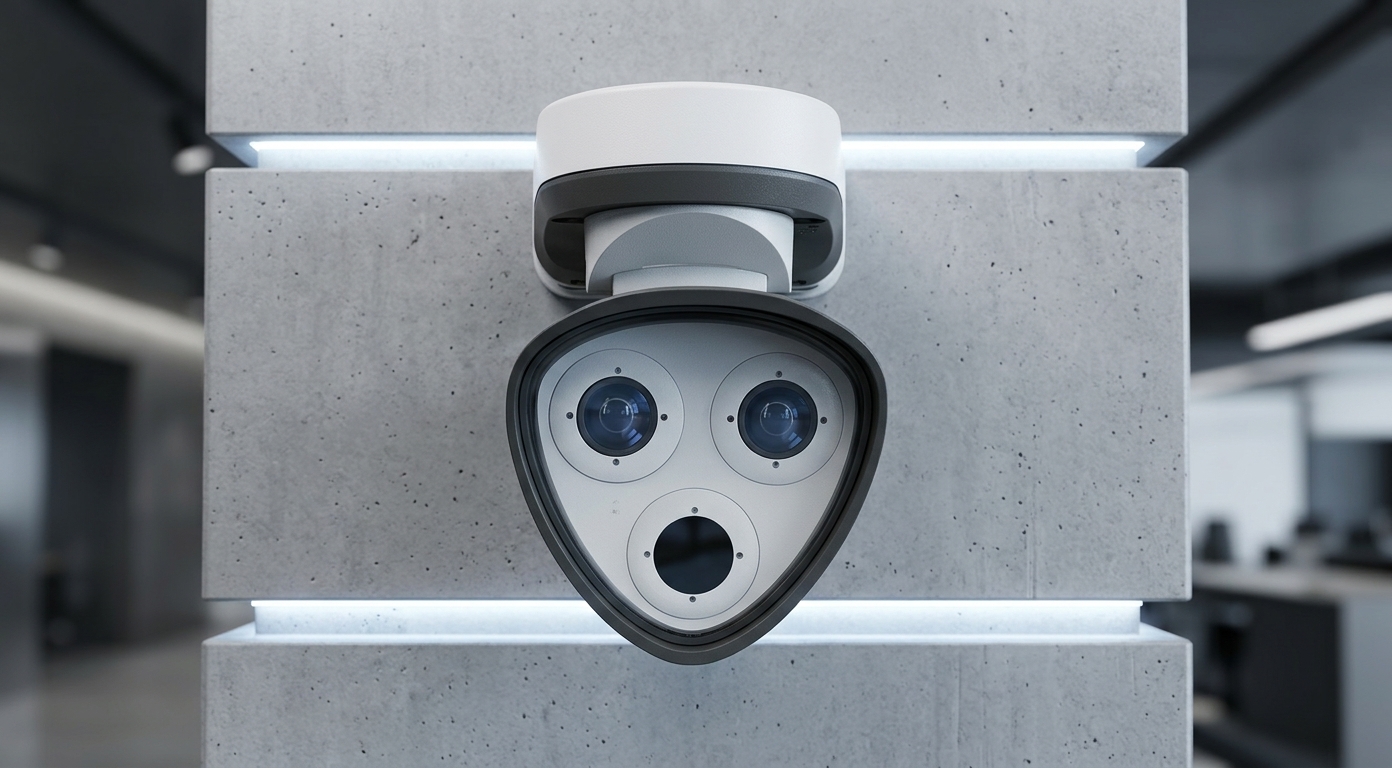
A home security camera system is essential to ensure a safe and secure home.
Simple camera placement at entryways is not enough to keep a business safe. The ability to have a dependable surveillance system can be useful in monitoring around certain key areas, provide documentation of the incidents and support seamless visibility throughout day-to-day activities. Selecting the appropriate tools, though, calls for the appreciation of image quality, along with storage, distant accessibility and compatibility. Once you've reviewed business surveillance equipment available, it's time to consider Network Webcams. When buying add-on security systems, there will be a need to understand your overall security requirements to help design a system to meet your premises, budget, and future monitoring requirements.
Learning About Proper Business Surveillance Needs and the Solution to Meet Them
First determine those areas that need monitoring. There can be locations for retail businesses like entrance ways, counter tops at the cashier or stockroom areas and offices might cover access points, server rooms and reception areas. Wide coverage can be important for warehouses due to the amount of storage they need.
Develop a simple camera position strategy prior to looking at camera products. Take into account the lighting, distance of the views, obstacles and details required in each. A camera designed to track traffic to a large area parking lot can be required to perform differently than a camera for the doorway, even though you want to achieve the same goal with them.
Consider also anything you may require as regards indoor, outdoor, or a combination of both cameras. Weather protection is required for outdoor models or low-light cameras might need back-lighting or infrared light source. It's important to review these requirements early, as it will limit the right choices.
Key Considerations When Picking an iPro Cam
When shopping for business monitoring equipment, it's possible that you'll find an ipro cam that shows up in search results, however you should always check what kind of ipro cam you are considering and what it can accomplish prior to making a purchase. Various kinds of cameras may differ with respect to their resolution, lens selection, connectivity and their software support.
The first step is to see your camera's image resolution and field of view. Though higher resolution can give you more detail in image, it does not mean that it is going to be easy to identify at all distances. Quality of lens, light source, camera position, and JPEG compression also impact this.
Then, check the connection requirements. Depending on the network camera, it can be connected either via Ethernet or Wi-Fi. Wired connections can deliver guaranteed connections in fixed installations, wireless for may ease installation where cables cannot be laid. Some cameras can be powered via Electric over Ethernet (PoE) technology providing power and data over a compatible Ethernet cable.
When considering an ipro cam purchase, make sure the model will function with your current network video recorder, monitoring software and storage configuration. Please refer to the compatibility documents provided by the manufacturer, not to assume "all network cameras work with all cameras". This will help you avoid unforeseen equipment expenses in installation.
Integrating Axis Camera Station Pro with Systems
The aforementioned footperson Quick Rack can accommodate Axis Camera Station Pro.
Video management software enables businesses to coordinate camera feeds, playback recorded video and manage the video surveillance systems. As you're searching for axis camera station pro, envision how it team-ups with your existing or game plan order buying cameras.
First determine what camera models are supported, computer requirements, licensing requirements and recording options. The compatibility consideration is especially vital if an organization is already using a number of cameras or will be putting in more cameras in the future.
Consider the use of the system by the people that utilize it. Security teams might need instant access of real-time feeds, whereas managers may want to easily access and download recorded footage. Having an appropriate interface can simplify routine monitoring and minimize fulfilling needless complexity.
If you are considering axis camera station pro, make sure to check the current specifications and capabilities per official product documentation. Verify that your selected hardware, operating system and network configuration are compatible. User permissions; secure remote access; software updates; back-up procedures should also be taken into consideration.
Choosing the Best Surveillance Camera System to Suit Your Business
The first step to finding the best surveillance cameras for business is to match the pictures with the risks and layout of your premises. No single model catering to all organisations. The number of cameras required and their deployment will depend on the size of the companies office, for example a small office may just need a camera or two positioned strategically while a larger warehouse could need a more widespread setup of cameras and centralised management.
Understand resolution, field of view, low light performance, weather protection and available analytics. There is a chance for the device to decrease unnecessary notifications for motion detection; there may be additional capabilities in the form of dedicated analytics if using this feature is supported. Check the real operation of each model before using.
Storage is a critical topic, also. Determine the number of recordings that you must keep and if it is local, NVR or an appropriate cloud recording service that is best for your operation. The higher the resolution of one and more cameras used the greater the storage and bandwidth demands.
When comparing the best surveillance cameras for business make sure that TCO (total cost of ownership) is part of the mix. Cover equipment such as cameras, cabling, network equipment, storage, software licenses, installation and maintenance costs. While it may be better to pay less for the system in the short term, this savings likely does not outweigh the value of the features that are needed, or the future expense for that system when they are purchased in the future to add the needed features.
Operating Your Network Securely in Protective Mode
Networked cameras are just as much a part of a business's IT infrastructure as a computer, a telephone, a telephone booth, and an answering machine. Use strong unique passwords along with password changes, install firmware updates and limit access to authorized users. If feasible, get cameras off of the business network and off the public internet.
Before installation, examine obligations with regard to privacy, including capturing the activities of employees', customers or neighboring properties by cameras. Have proper signs and only record for proper security. Create retention and access policies to minimise the unnecessary collection of video regarding retention and access.
Conclusion
When selecting a business surveillance system, it is important to consider the quality of the camera, its compatibility with the existing infrastructure, storage options, security and cost. An equipment option which you need to explore is Network Webcams. Carefully assess both the individual specifications of cameras and compatibility of the applications used with the camera software before buying. It's possible to design a system that facilitates more predictable, manageable monitoring, without sacrificing usability and expandability.